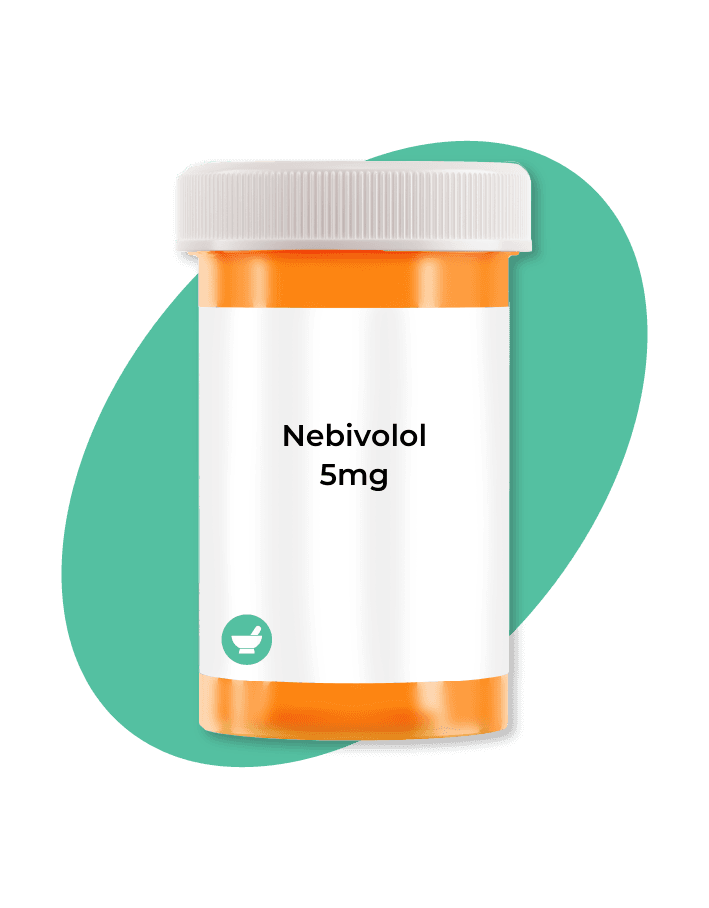
Nebivolol (Generic Bystolic) 5mg Tablet
In StockPrescription Required
SKU: *NEBIVOLOL5
$20.10
30 Count • tablet / $0.67
Quantity

PRESCRIPTION REQUIRED:
This product requires a valid prescription for shipment, please note that HealthWarehouse may not accept prescriptions faxed or emailed by patients.
IMPORTANT: HOW TO USE THIS INFORMATION: This is a summary and does NOT have all possible information about this product. This information does not assure that this product is safe, effective, or appropriate for you. This information is not individual medical advice and does not substitute for the advice of your health care professional. Always ask your health care professional for complete information about this product and your specific health needs.
NEBIVOLOL - ORAL
(ne-BIV-oh-lol)
COMMON BRAND NAME(S): Bystolic
WARNING: Do not stop taking this medication without consulting your doctor. Some conditions may become worse when you suddenly stop this drug. Some people who have suddenly stopped taking similar drugs have had chest pain, heart attack, and irregular heartbeat. If your doctor decides you should no longer use this drug, your doctor may direct you to gradually decrease your dose over 1 to 2 weeks. When gradually stopping this medication, it is recommended that you temporarily limit physical activity to decrease strain on the heart. Get medical help right away if you develop chest pain/tightness/pressure, chest pain spreading to the jaw/neck/arm, unusual sweating, trouble breathing, or fast/irregular heartbeat.
USES: Nebivolol is used to treat high blood pressure. Lowering high blood pressure helps prevent strokes, heart attacks, and kidney problems. This medication belongs to a class of drugs known as beta blockers. It works by blocking the action of certain natural substances in your body, such as epinephrine, on the heart and blood vessels. This effect lowers heart rate, blood pressure, and strain on the heart.
OTHER USES: This section contains uses of this drug that are not listed in the approved professional labeling for the drug but that may be prescribed by your health care professional. Use this drug for a condition that is listed in this section only if it has been so prescribed by your health care professional. This drug may also be used after a heart attack to improve survival. It may also be used to reduce the risk of chest pain (angina).
HOW TO USE: See also Warning section. Read the Patient Information Leaflet if available from your pharmacist before you start taking nebivolol and each time you get a refill. If you have any questions, ask your doctor or pharmacist. Take this medication by mouth with or without food as directed by your doctor, usually once daily. The dosage is based on your medical condition and response to treatment. Use this medication regularly to get the most benefit from it. To help you remember, take it at the same time each day. It may take several weeks before you get the full benefit of this drug. Keep taking this medication even if you feel well. Most people with high blood pressure do not feel sick. Tell your doctor if you do not get better or if you get worse (blood pressure readings remain high or increase).
SIDE EFFECTS: See also Warning and Precautions sections. Headache, dizziness, lightheadedness, tiredness, nausea, slow heartbeat, or trouble sleeping may occur. If any of these effects last or get worse, tell your doctor or pharmacist promptly. To reduce the risk of dizziness and lightheadedness, get up slowly when rising from a sitting or lying position. This drug may reduce blood flow to your hands and feet, causing them to feel cold. Smoking may worsen this effect. Dress warmly and avoid tobacco use. Remember that this medication has been prescribed because your doctor has judged that the benefit to you is greater than the risk of side effects. Many people using this medication do not have serious side effects. Tell your doctor right away if you have any serious side effects, including: blue fingers/toes, fainting, very slow heartbeat, new or worsening symptoms of heart failure (such as shortness of breath, swelling ankles/feet, unusual tiredness, unusual/sudden weight gain), mental/mood changes (such as confusion, mood swings, depression). A very serious allergic reaction to this drug is rare. However, get medical help right away if you notice any symptoms of a serious allergic reaction, including: rash, itching/swelling (especially of the face/tongue/throat), severe dizziness, trouble breathing. This is not a complete list of possible side effects. If you notice other effects not listed above, contact your doctor or pharmacist. In the US - Call your doctor for medical advice about side effects. You may report side effects to FDA at 1-800-FDA-1088 or at www.fda.gov/medwatch. In Canada - Call your doctor for medical advice about side effects. You may report side effects to Health Canada at 1-866-234-2345.
PRECAUTIONS: Before taking nebivolol, tell your doctor or pharmacist if you are allergic to it; or if you have any other allergies. This product may contain inactive ingredients, which can cause allergic reactions or other problems. Talk to your pharmacist for more details. Before using this medication, tell your doctor or pharmacist your medical history, especially of: certain types of heart rhythm problems (such as a slow heartbeat, second- or third-degree atrioventricular block), blood circulation problems (such as Raynaud\'s disease, peripheral vascular disease), breathing problems (such as asthma, chronic bronchitis, emphysema), kidney disease, liver disease, heart failure, mental/mood disorders (such as depression), a certain muscle disease (myasthenia gravis), overactive thyroid disease (hyperthyroidism), serious allergic reactions, including those needing treatment with epinephrine. This drug may make you dizzy. Alcohol or marijuana (cannabis) can make you more dizzy. Do not drive, use machinery, or do anything that needs alertness until you can do it safely. Limit alcoholic beverages. Talk to your doctor if you are using marijuana (cannabis). Before having surgery, tell your doctor or dentist about all the products you use (including prescription drugs, nonprescription drugs, and herbal products). If you have diabetes, this product may mask the fast/pounding heartbeat you would usually feel when your blood sugar falls too low (hypoglycemia). Other symptoms of low blood sugar, such as dizziness and sweating, are unaffected by this drug. This product may also make it harder to control your blood sugar. Check your blood sugar regularly as directed and share the results with your doctor. Tell your doctor right away if you have symptoms of high blood sugar such as increased thirst/urination. Your doctor may need to adjust your diabetes medication, exercise program, or diet. Children may be at greater risk for low blood sugar (hypoglycemia), especially if they are vomiting or not eating regularly. To help prevent low blood sugar, feed children on a regular schedule. If your child cannot eat regularly, is vomiting, or has symptoms of low blood sugar (such as sweating, seizures), stop this medication and tell the doctor right away. During pregnancy, this medication should be used only when clearly needed. Babies born to mothers taking this drug during pregnancy may have a low birth weight and require monitoring for problems such as low blood pressure, slow heartbeat, low blood sugar, and slow/shallow breathing. Discuss the risks and benefits with your doctor. It is unknown if this medication passes into breast milk. Consult your doctor before breast-feeding.
DRUG INTERACTIONS: Drug interactions may change how your medications work or increase your risk for serious side effects. This document does not contain all possible drug interactions. Keep a list of all the products you use (including prescription/nonprescription drugs and herbal products) and share it with your doctor and pharmacist. Do not start, stop, or change the dosage of any medicines without your doctor\'s approval. A product that may interact with this drug is: fingolimod. Some products have ingredients that could raise your heart rate or blood pressure. Tell your pharmacist what products you are using, and ask how to use them safely (especially cough-and-cold products, diet aids, or NSAIDs such as ibuprofen/naproxen).
OVERDOSE: If someone has overdosed and has serious symptoms such as passing out or trouble breathing, call 911. Otherwise, call a poison control center right away. US residents can call their local poison control center at 1-800-222-1222. Canada residents can call a provincial poison control center. Symptoms of overdose may include: unusually slow heartbeat, fainting.
NOTES: Do not share this medication with others. Talk with your doctor about making changes to your lifestyle that may help this medication work better (such as stress reduction programs, exercise, and dietary changes). Check your blood pressure and pulse (heart rate) regularly while taking this medication. Learn how to check your blood pressure and pulse at home, and share the results with your doctor.
MISSED DOSE: If you miss a dose, take it as soon as you remember. If it is near the time of the next dose, skip the missed dose. Take your next dose at the regular time. Do not double the dose to catch up.
STORAGE: Store at room temperature away from light and moisture. Do not store in the bathroom. Keep all medications away from children and pets. Do not flush medications down the toilet or pour them into a drain unless instructed to do so. Properly discard this product when it is expired or no longer needed. Consult your pharmacist or local waste disposal company.
Information last revised August 2021. Copyright(c) 2021 First Databank, Inc.